
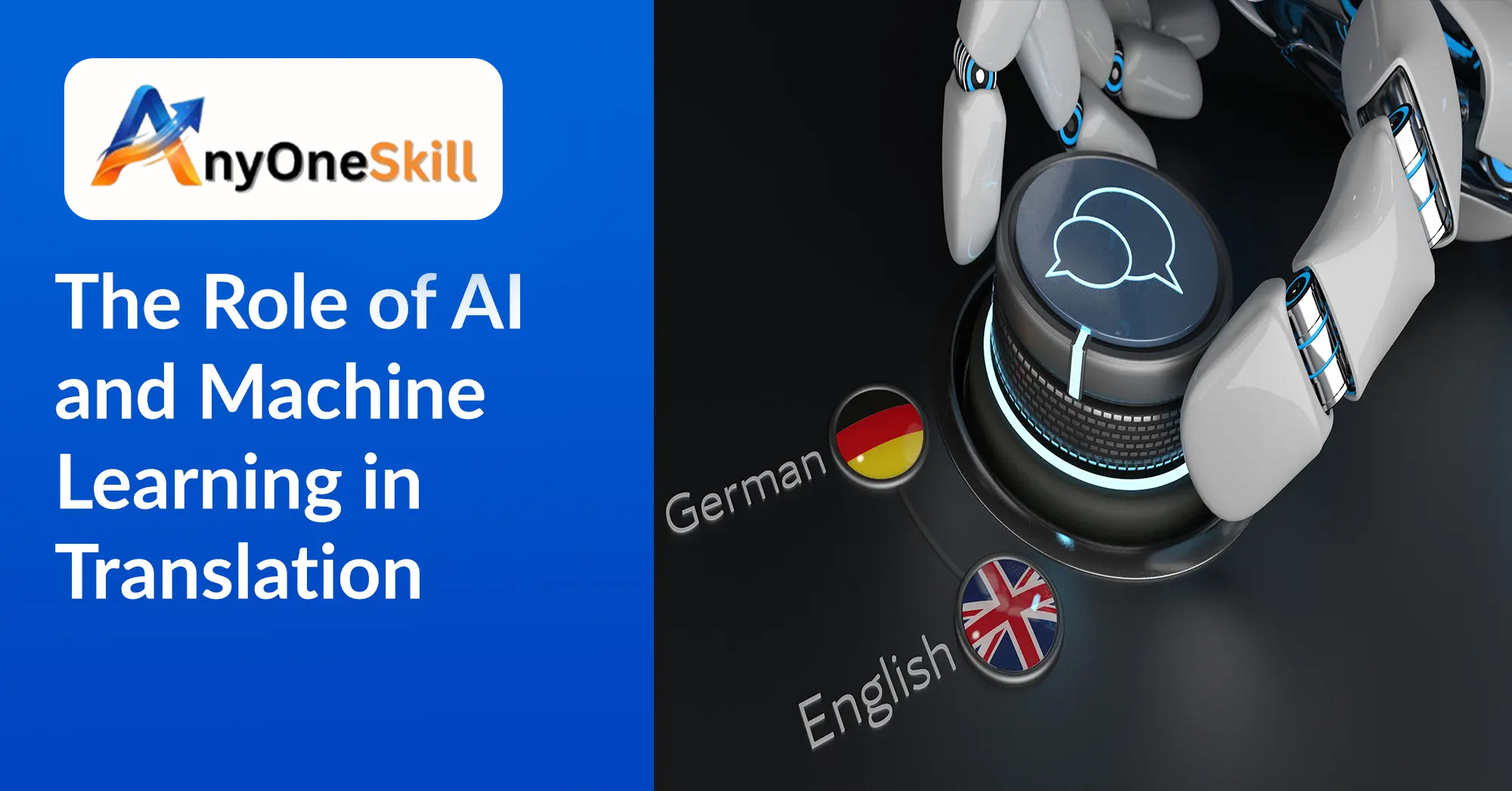
IMPACT OF ARTIFICAL INTELLIGENCE ON LANGUAGE TRANSLATION
INTRODUCTION
In today’s connected world, people from different culture, and country communicate with each other which have made clear communication important among all other languages, this is the stage where ai enters and plays an important role.
We all are aware about the new shift in technology and development- Artificial intelligence and its impact is the reason for us to talk about it. Ai has bridged many gaps in the language industry and has made communication easier and faster. Evolution of advance machine system has made translation tools more accurate and efficient than before.
These technologies are transforming the way of working in translation industry and how people access it globally.
TECHNOLOGICAL ADVANCEMENTS IN THE LANGUAGE INDUSTRY
Technological advancements have been evolving significantly to enhance the significance and the standards of the language industry highlighting the need of technical advancements that could address and understand the long speed challenges. However, these advancements also bring challenges and uncertainty for translators and translation industry.
Translation in itself is a “complex task’’. A translator must have a deep understanding of language, including the obvious and the hidden meaning as the translation process is not just replacing phrase but involves the transfer of linguistic features from one language to another, we all know languages originate from different background, culture, regions, which tends to increase the possibilities of challenges related to vocabulary, grammar, punctuation, and other linguistic elements.
Since languages originate from diverse cultures, regions, and historical backgrounds, challenges related to vocabulary, grammar, punctuation, and syntax naturally arise.
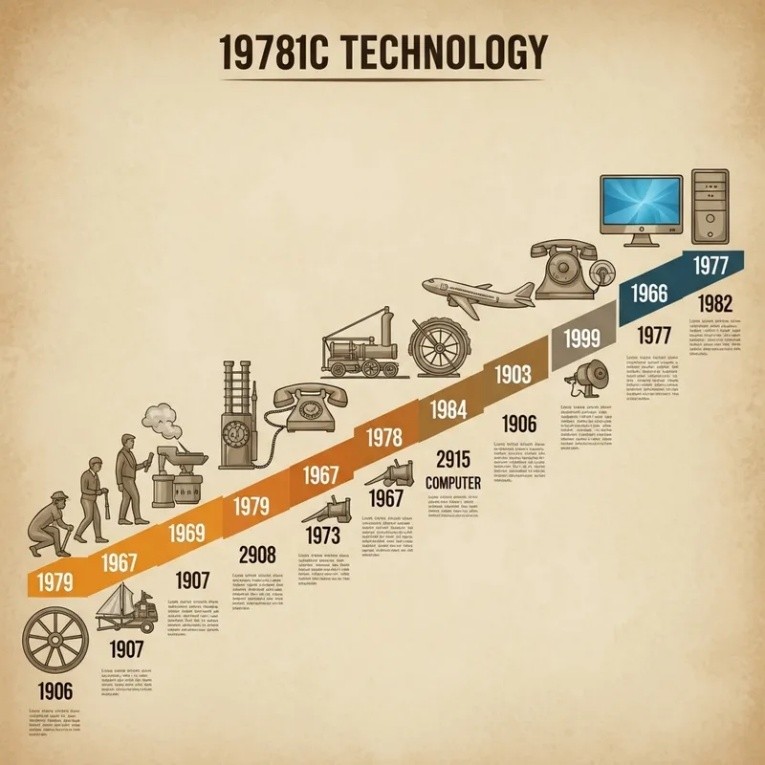
EVOLUTION OF TECHNOLOGY
In recent years machine translation has advanced significantly, its importance is significantly increasing, because of the massive multilingual content on the internet and a rapid growth in international trade. Refinements in computer hardware, faster processing speed and the availability of large date have improved the performance of mt systems,
While among all the technical advancements and improvements, one question is constantly raised- is ai translation is better than human translation or human translation will be replaced by ai? To resolve this, many researches have been made comparing the strengths and weakness of both the approaches. While ai offers speed, efficiency it does struggles with deeper and cultural meaning which human handles better.
HUMAN-AI COLLABRATION
In todays developing world, many researches and studies suggest that – the best results come from the collaboration of human and ai or human- ai collaboration. Studies focusing on Chinese translation states that ai performs well in terms of speed, efficiency, accuracy, grammar and content understanding, it often produces clear and concise language. However human translation focuses on connectivity, emotional structure, logical patterns. Therefore, a balance is recommended – using ai for depth and accuracy while relying on humans for depth and cultural meaning.
TRANSLATION EDUCATION AND AI
In the field of translation education, especially in universities researchers highlights the growing role of artificial intelligence and machine translation in the near future. Ai tools are significantly used in classrooms, but there is a lack of interest noticed among students in self-driven technology environment while studies highlight the critical thinking, and ethical awareness of ai interrogation.
Although ai and machine translation does have the potential to transform the entire translation industry but some researches still suggest that full automation of the industry is far from reality. Human translation still remains essential and significant, which increases the important of studies and professional training. Rather than replacing human translator and training, technology should be in used in the support of training and empower professionals
How ai has changed and what still remains as a problem?
Ai solely has evolved in itself and helped in transforming many aspects of the process- efficiency, speed, clear interpretation but here a question arises, how?
Let us understand by looking at some of the newly advanced technologies-
- MODERN MACHINE TRANSLATION AND AI
This part explains how machines are translating languages today?
Earlier computers were basic but now with evolving technology (ai) machines can perform more of a complicated task, like-
- Learning and analyzing huge chunks of data
- Understanding the patterns in languages
- Which lately improved translations over time
These new ways stated of how ai is changing
- NMT core of ai translation-
This part is mainly considered as a core of the translation as it focuses on-
- Understanding the context
- Producing smoother language
- Handles more data and learns faster
- Long sentences can be managed
the reason why tools like google translate, DeepL use NMT today, nmt replaced words exchange to meaning understanding.
CURRENT CHALLENGES IN MACHINE TRANSLATION
Advancements of technologies has simplified the complexities of translation and made it a technology driven process by involving tools and techniques into the process of translation, but does it indicate towards error and challenge free machine translation? Still a doubt-
- Emotional understanding - is the backbone of true translation, where every phrase carries- depth, intent and feeling and missing that essence, even once can collapse the entire process.
No matter how fast or technically efficient the translation is, if the emotions doesn’t land, everything else go to a waste.
- Idioms and metaphors- use of idioms and metaphors make the sentences more alive, for instance- Her mind was a stormy ocean, waves of thoughts crashing without rest
This is whereAI often struggles— understanding such figurative language and accurately relating it to the target language without losing its emotional and cultural meaning.
- Struggles with low-resource language- ai often struggles while translating low resource languages because it mainly learns by analysing a large amount of example, while low resource language has fewer digital example when compared to languages like German, French.
For instance, translating from French to German is relatively easy for ai because the availability of the data online is huge. However, translating from ‘Marathi to English is more difficult due to lesser data provided.
These points clearly indicate that while machines are fast, efficient, and widely accepted, they cannot replace humans due to their inability to truly understand language.”
IMPACT OF AI ON THE TRANSLATORS AND THE TRANSLATION INDUSTRY
Translation industry has gone through a transformation, with the inception of artificial intelligence traditional workflows has been improvised by introducing new technologies. Ai offers speed, efficiency, and accessibility to translate the large volume of data.
Software like- google translate, DeepL, and Microsoft translator have made the process more instantaneous, and widely available which has benefited the industry in numerous ways, by reducing the cost and enhancing the productivity to the facilitation of global business operation.
CONCLUSION
However, despite of the advancements, AI still faces some significant challenges; its inability to fully grasp the nuance of languages, including idiomatic expressions, humour, tone, and culture context present negotiable challenges. Ai struggles with translation that requires privacy, deep cultural sensitivity or high degree of specialization such as legal, literary, or medical translations as this raises a question about quality and accuracy of machine translation.
As ai is evolving it provides an opportunity for humans to git in new advantageous roles. Interrogating ai into the workflow to increase the productivity and accuracy.
It is also opening new avenues of opportunity in the form of upgraded roles and professions within the translation and language industry. The role is shifting from merely providing translations to ensuring accuracy, context, cultural relevance, and quality.
If you have the urge to tap into emerging technologies and upgrade your career game, Anyone Skill can be one of the best platforms to get started. Check out the link for more details